
1. Surface area
The project footprint is converted to square feet and square meters so you can estimate patios, walkways, driveways, and custom hardscape zones.
Free patio paver calculator
Estimate paver count, waste, cost, labor, and sand volume for patios, walkways, and driveways.
· Standard US paver sizes · No signup
Core tool
Choose a shape and paver size. Results update as you type.
Visual guide
A practical paver estimate includes finished surface area, joint spacing, waste allowance, and the bedding sand layer beneath the pavers.
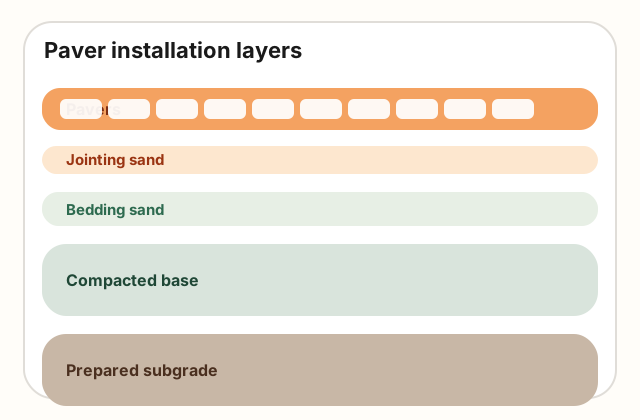
The project footprint is converted to square feet and square meters so you can estimate patios, walkways, driveways, and custom hardscape zones.
Each piece is calculated with the selected joint gap, which gives a more realistic count than using paver face size alone.
Waste, optional labor price, and sand depth are layered on top so the estimate is useful for budgeting and ordering.
How to use
The calculator is built for quick patio, walkway, and driveway planning, so you can move from dimensions to a supplier-ready estimate in a couple of minutes.
Choose your project shape and enter dimensions in feet or meters.
Use a common paver preset or type in custom width and length values.
Review paver quantity, waste allowance, cost estimate, and sand needed.
Examples
Click any example to load it into the calculator with one tap.
Reference table
Use these common brick paver, cobblestone, slab, and flagstone sizes as a starting point for patios, walkways, and driveway estimates.
3.75 × 7.75 in
~4.8 pavers / sq ft Popular for patios, borders, and running bond layouts.4 × 8 in
~4.5 pavers / sq ft A versatile option for patios, walkways, and herringbone patterns.6 × 6 in
~4.0 pavers / sq ft Useful for small plazas, paths, and modular grid layouts.12 × 12 in
~1.0 paver / sq ft Common for modern patios and larger-format paving areas.16 × 16 in
~0.56 paver / sq ft Good for large-format patios and 16x16 paver calculator searches.24 × 24 in
~0.25 slab / sq ft Large-format paver calculator projects with a clean slab aesthetic.4 × 4 in
~9.0 pavers / sq ft A dense, traditional option for cobblestone-style walkways and accents.Irregular
Coverage varies Best for organic layouts where a flagstone calculator starts with total area.| Type | Size | Coverage | Best fit |
|---|---|---|---|
| Standard Brick | 3.75 × 7.75 in | ~4.8 / sq ft | Patios, borders, walkways |
| 4 × 8 Paver | 4 × 8 in | ~4.5 / sq ft | Patio paver calculator projects |
| 6 × 6 Paver | 6 × 6 in | ~4.0 / sq ft | Courtyards, small pads |
| 6 × 9 Paver | 6 × 9 in | ~2.7 / sq ft | Mixed pattern sets |
| 12 × 12 Paver | 12 × 12 in | ~1.0 / sq ft | Modern patios and stepping zones |
| 16 × 16 Paver | 16 × 16 in | ~0.56 / sq ft | Large-format installations |
| 24 × 24 Slab | 24 × 24 in | ~0.25 / sq ft | Contemporary slab-style layouts |
| Cobblestone | 4 × 4 in | ~9.0 / sq ft | Cobblestone paver calculator projects |
| Flagstone | Irregular | Varies | Organic patios and stepping paths |
FAQ
Every answer stays in the page DOM for search engines and accessibility tools, while still keeping the interface scannable for visitors.
The number of pavers per square foot depends on paver size. A standard 4 × 8 inch paver covers about 0.22 sq ft, so you need roughly 4.5 pavers per square foot. A 12 × 12 inch paver covers 1 sq ft, so you need about 1 paver per square foot. Always add 10% for waste and cuts.
The most common paver sizes are 4 × 8 inches, 6 × 6 inches, 12 × 12 inches, and 16 × 16 inches. The 4 × 8 inch paver is the most widely used option for patios and walkways in the United States.
Add at least 10% waste for straight layouts. For diagonal, herringbone, or curved patterns, use 15%. For complex shapes with many cuts, consider 20%. Waste accounts for cuts, breakage during installation, and future repairs.
To calculate pavers for a circle, find the area with the formula area = π × r², where r is the radius. Then divide the area by the area of one paver including the joint gap. Add 15% waste for circular layouts because curved edges require more cuts.
The bedding sand layer should be 1 inch or 25 mm deep. Below that, a compacted gravel base of 4 to 6 inches is recommended for patios and walkways, and 6 to 8 inches for driveways. The sand layer helps level the surface and allows minor adjustments.
Concrete pavers typically cost $3 to $6 per square foot for materials. Brick pavers range from $4 to $8 per square foot. Natural stone pavers can cost $15 to $30 per square foot. Installed cost including labor often ranges from $10 to $25 per square foot depending on location and complexity.
A standard pallet of 4 × 8 inch pavers often covers roughly 100 to 120 square feet. The exact count varies by paver size and manufacturer, so check pallet coverage with your supplier before ordering.
Sealing is optional but recommended for many installations. A paver sealer can protect against stains, weed growth, and fading. Apply it 6 to 12 months after installation once the surface has fully cured, then reapply every 3 to 5 years based on traffic and weather exposure.
Formula
The calculator follows simple planning math, then layers in joint spacing and waste so the result is closer to what you need to order.
Area (sq ft) = Length × Width
For circles: Area = π × (diameter / 2)²
Count = Area ÷ ((paver width + gap) × (paver length + gap) ÷ 144)
The joint gap is included so the estimate matches real installation spacing.
Final Count = Count × (1 + waste%)
Waste covers cuts, breakage, and future replacements after the job is complete.
Glossary
A paver is an individual unit used to build a paved surface. It can be made from concrete, clay brick, or natural stone. Different paver sizes, thicknesses, and edge shapes affect both the look of the project and the number of pieces needed per square foot.
Square footage is the total surface area of the project footprint. Most patio and walkway estimates begin with this number because it drives paver quantity, labor pricing, and sand or base volume. For irregular spaces, break the project into simpler shapes and add them together.
Waste factor is the extra percentage of pavers added beyond the base count. It accounts for cuts, breakage, shipping damage, and future repairs. Straight layouts often use 10 percent, while curved or patterned projects may need 12 to 15 percent or more.
Jointing sand fills the narrow spaces between pavers after installation. It helps lock units together and limits movement. Polymeric sand includes binders that harden when activated, which can improve resistance to washout, insects, and weed growth compared with standard joint sand.
The compacted base is the structural layer below the bedding sand and pavers. It is usually made from crushed stone or road base material compacted in lifts. This layer carries the load, promotes drainage, and helps prevent settling or shifting over time.
These are common paver laying patterns. Running bond is a staggered brick-style layout that is efficient and easy to install. Herringbone is more interlocked and visually dynamic, but it usually creates more cuts and therefore a higher waste percentage.
Efflorescence is a white, chalky residue that can appear on concrete pavers when salts move to the surface with moisture and then dry out. It is common in new installations and often fades with weathering, cleaning, or normal exposure over time.
A soldier course is a border row where pavers are installed in a different orientation, often standing longer-side forward around the edge of a patio or walkway. It creates a framed look and can affect the final paver count if the border uses a different size than the field pattern.
Planning resources
Use these internal tools and articles to move from a rough idea to a supplier-ready material list without relying on generic estimates or weak placeholder content.
Each calculator uses the same material logic, then tunes waste and scope for the specific project type.
Estimate paver quantity, waste, sand, and project pricing from one place.
Plan backyard patios, seating areas, and slab-style layouts with cleaner coverage estimates.
Price straight paths, curved walkways, and narrow entry routes with realistic waste allowances.
Estimate drive lanes and parking pads with heavier-duty base assumptions and higher project totals.
Figure bedding sand volume quickly before you finalize base material and paver coverage.
Cornerstone articles that answer the questions users search before they commit to a layout or order.
Measure rectangles, curves, and irregular zones before you request supplier pricing.
Choose a safer overage based on pattern complexity, curves, and repair extras.
Compare 4 × 8, modular, and large-format paver sizes before locking a layout.
See how running bond, herringbone, and stacked layouts affect cuts and material counts.
Check base depth guidance before you price any driveway paver installation.
Understand joint sand tradeoffs for drainage, durability, and maintenance expectations.
Review layout inspiration before choosing pattern direction, borders, and patio zones.
Compare front path layouts, width suggestions, and material ideas for better curb appeal.
Follow a practical patio build sequence from excavation and base prep to final joint fill.
Review the key steps for setting a straight, stable, and cleanly edged paver path.
Understand the installation stages that matter most on heavier vehicle-rated surfaces.
Learn when to sweep, compact, mist, and cure polymeric sand without washing joints out.
Whether you need a patio paver calculator for a backyard seating area, a walkway paver calculator for an entry path, or a driveway paver calculator for a vehicle-rated surface, the goal is the same: order materials with fewer surprises. A solid paver cost calculator should do more than answer the basic question of how many pavers do I need. It should also account for bedding layers, joint spacing, and a realistic paver waste factor so cuts, breakage, and future repairs do not get missed in the budget.
Use the guides above to compare patio paver patterns, review walkway paver ideas, and confirm which paver size actually fits the footprint you are pricing. If the layout is already decided, the paver sand calculator and full estimator can turn field measurements into a cleaner quantity list in minutes. That workflow reduces over-ordering on simple running bond installs and helps avoid shortages on herringbone, diagonal, curved, or mixed-material projects where waste climbs fast.