
Why Paver Size Matters
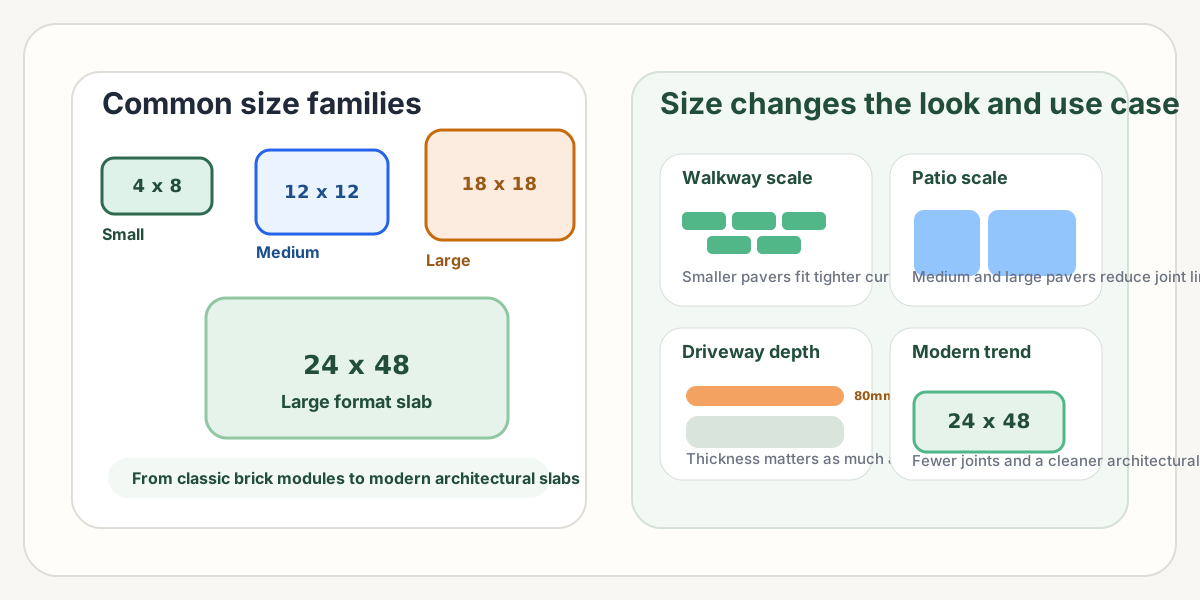
Paver size affects more than the look of the finished surface. It changes the visual rhythm of the layout, the number of joints, the number of pieces you need, the handling weight per unit, and the overall installation pace.
Smaller pavers work well for traditional patterns, tighter curves, and compact spaces. Larger pavers reduce joint lines, simplify the visual field, and often make medium and large patios feel calmer and more modern.
The right size also depends on material family. Concrete, brick, natural stone, and porcelain each have different standard size systems, thickness expectations, and cost ranges.
Smaller pavers add visual detail but usually take longer to install. Larger pavers simplify the field but can feel oversized in compact spaces and heavier to handle on site.
Standard Paver Size Categories
Most residential pavers fall into four practical size families. These categories make it easier to compare installation style, visual scale, and likely best-fit applications.
Small Pavers
| Size | Metric | Sq ft |
|---|---|---|
| 4 x 8 in | 10 x 20 cm | 0.22 |
| 6 x 6 in | 15 x 15 cm | 0.25 |
Small pavers are ideal for herringbone, basketweave, and other detailed patterns. They also suit tighter walkways and smaller patio footprints where visual texture is a plus.
Medium Pavers
| Size | Metric | Sq ft |
|---|---|---|
| 6 x 9 in | 15 x 23 cm | 0.38 |
| 8 x 8 in | 20 x 20 cm | 0.44 |
| 12 x 12 in | 30 x 30 cm | 1.00 |
This is the most flexible size range. It balances installation speed, pattern options, and visual versatility across patios, walkways, and general hardscape zones.
Large Pavers
| Size | Metric | Sq ft |
|---|---|---|
| 12 x 18 in | 30 x 46 cm | 1.50 |
| 16 x 16 in | 40 x 40 cm | 1.78 |
| 18 x 18 in | 46 x 46 cm | 2.25 |
| 24 x 24 in | 61 x 61 cm | 4.00 |
Large pavers reduce joint lines and help larger patios, pool decks, and entries feel more open. They work especially well in modern and transitional designs.
Extra-Large / Large Format
| Size | Metric | Best use |
|---|---|---|
| 24 x 36 in | 61 x 91 cm | Modern patios and entries |
| 24 x 48 in | 61 x 122 cm | Entry paths and large terraces |
| 36 x 36 in | 91 x 91 cm | High-end large-format spaces |
These slabs are chosen for a minimal-joint, architectural look. They suit wide walkways, contemporary patios, and premium outdoor rooms where clean geometry matters.
Paver Sizes by Material Type
Material selection affects size availability, edge finish, maintenance, and cost. Below are the most common size systems and use cases for each major paver type.
Concrete Pavers
Concrete is the most common paver family for residential projects. It covers everything from brick-shaped modules to large patio slabs and can mimic stone or clay visually.
Brick Pavers
Brick pavers are classic clay units known for color stability and strong compressive performance. The 4 x 8 nominal brick remains one of the most recognized paver formats.
Natural Stone Pavers
Natural stone often follows 6-inch modular increments and reaches some of the largest premium slab sizes in the market. Limestone, quartzite, sandstone, granite, travertine, and slate all behave a little differently.
Porcelain Pavers
Porcelain pavers are a newer low-porosity option with a clean contemporary look. They usually follow larger modern slab dimensions and work well in low-maintenance outdoor spaces.
Paver Sizes by Application
Patio Pavers
Patios often use 12 x 12, 18 x 18, or 24 x 24 pavers because these sizes open the space visually without making the field feel busy. Smaller patios often stay comfortable with 12 x 12, while larger gathering spaces can handle 18 x 18 or bigger.
Driveway Pavers
Driveways commonly use 12 x 12 through 24 x 24 concrete or brick-based systems, but the critical variable is thickness. For vehicle traffic, the paver must be thick enough as well as wide enough.
Walkway & Path Pavers
Walkways usually lean smaller or longer and narrower: 4 x 8, 6 x 9, and 12 x 24 stepping-style units all work well. Narrow modules handle curves more gracefully and feel proportionate in tighter paths.
Pool Deck Pavers
Pool decks often use 18 x 18 or 24 x 24 natural stone or travertine. Those sizes create comfortable walking zones and a clean resort-like look while keeping joint lines reasonably controlled.
| Application | Recommended sizes | Recommended materials |
|---|---|---|
| Patio | 12 x 12, 18 x 18, 24 x 24 | Concrete, natural stone |
| Driveway | 12 x 12, 16 x 16, 24 x 24 | Concrete, brick, cobblestone-style systems |
| Walkway | 4 x 8, 6 x 9, 12 x 24 | Brick, concrete |
| Pool deck | 18 x 18, 24 x 24 | Travertine, natural stone |
| Entryway | 24 x 24, 24 x 48 | Natural stone, porcelain |
Paver Thickness Guide
Footprint size is only part of the specification. Thickness determines how much load the paver system can handle and which application it belongs in.
| Thickness | Best use | Notes |
|---|---|---|
| 1-1.5 in (2.5-4 cm) | Walkways, patios | Pedestrian-use surfaces only |
| 2-2.375 in (5-6 cm) | Patios, light-use drive approaches | Standard concrete paver thickness range |
| 2.375 in (60mm) | Standard modular pavers | Common for many patio and walkway systems |
| 3.125 in (80mm) | Heavy-use driveways | Better for vehicle traffic and stronger load demands |
1-1.5 in
Use these thinner sections only where the surface will see foot traffic and the base is properly prepared.
60mm / 2.375 in
This is one of the most common modular paver thicknesses for patios, paths, and general hardscape use.
80mm / 3.125 in
Use thicker units wherever vehicle loads matter. For heavy traffic, depth should not be treated as optional.
For driveways or other vehicle-use zones, choose pavers at least 2 inches thick, and preferably around 60mm to 80mm depending on the traffic demand.
Large Format Pavers — The Modern Trend
Large-format slabs are one of the clearest trends in contemporary hardscape design. They reduce joint count, calm the pattern visually, and can make outdoor spaces feel larger and more architectural.
Refined modern patios
Large enough to look clean and current without feeling oversized in most mid-size outdoor rooms.
Wide entries and paths
The 48-inch side creates a broad walking rhythm that feels premium at entry walks and contemporary terraces.
Premium large-scale impact
This format delivers the strongest visual statement and is most practical in premium natural stone systems.
Large-format pavers reduce the number of visible joint lines, which is why they often make outdoor rooms feel more expansive and more aligned with contemporary architecture.
How to Choose the Right Paver Size
The best size depends on how the project needs to look, how it needs to perform, and how much handling complexity you want on site.
Space scale
Large spaces can comfortably absorb large slabs. Small patios often feel better with moderate sizes that do not overpower the footprint.
Design aesthetic
Traditional layouts often favor brick modules and 12 x 12 units. Contemporary designs typically lean toward 18 x 18, 24 x 24, and larger slabs.
Pattern type
Herringbone, basketweave, and other detail-heavy layouts work best with smaller modules. Large slabs pair better with simple running or stacked fields.
Installation complexity
Small units take longer to place in quantity but handle curves more easily. Large units install faster in open fields but weigh more and are less forgiving at edges.
Budget
Standard concrete formats usually deliver the best value. Brick sits in the middle, while large-format natural stone and premium porcelain trend highest in price.
Use our free Paver Cost Calculator to turn that size into quantity, base material, and cost.
FAQ
The 4 x 8 brick format is one of the most recognized standard sizes, while 12 x 12 is one of the most common square patio sizes.
Many patios work well with 12 x 12, 18 x 18, or 24 x 24 pavers. The best choice depends on the patio size and the desired design style.
Driveways often use 12 x 12 through 24 x 24 systems, but thickness matters more than face size. Choose pavers with enough depth for vehicle loads.
Walkways and patios often use roughly 1 to 1.5 inch sections for pedestrian use, while many standard modular pavers are 60mm thick and driveway-rated systems often move to 80mm.
Large-format pavers are oversized slabs, often 18 x 18 and larger, including common formats such as 24 x 24, 24 x 36, and 24 x 48.
Often yes, especially in natural stone and premium porcelain. Standard concrete modules usually remain the most budget-friendly option.
A common modular standard is about 2.375 inches, or 60mm. Heavy-duty driveway pavers often increase to about 3.125 inches, or 80mm.