
Why Your Patio Layout Matters
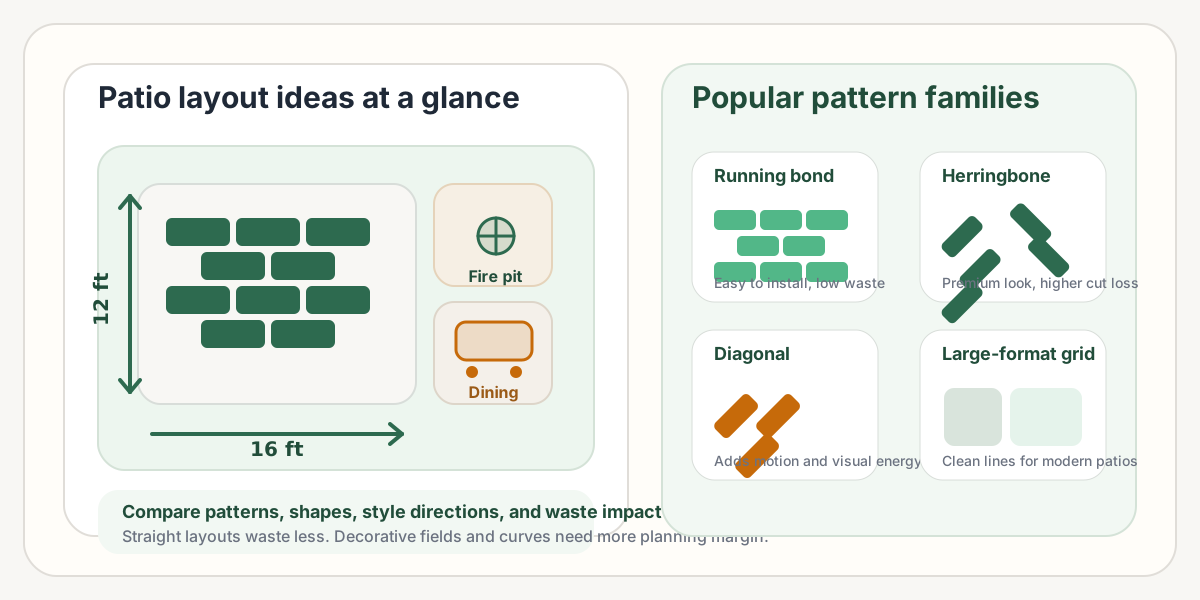
A patio layout is more than the pattern you see on top. Pattern direction, patio shape, border treatment, and zone planning all change how the space looks, how hard it is to install, and how much material the project consumes.
The same patio footprint can feel formal, modern, rustic, or relaxed depending on the paver layout you choose. A smaller backyard can feel larger with the right orientation, while a bigger patio can feel more organized when the layout defines dining, lounge, and circulation zones clearly.
Layout choice also affects waste. Straight running patterns typically cut less. Diagonal fields, herringbone, curved edges, and border-heavy designs usually increase both cut complexity and overage.
Before choosing a pattern, think about the scale of the yard, the style of the house, and how the patio will actually be used. A good layout should support movement, furniture placement, and drainage, not just surface appearance.
Classic field pattern
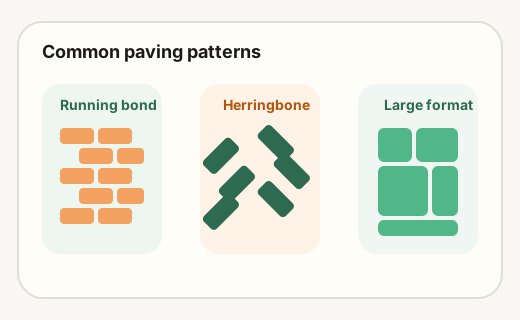
Running bond keeps the patio readable, easy to install, and efficient on straightforward rectangular footprints.
Pattern changes the mood
The same material can read as traditional, formal, or contemporary depending on the joint rhythm and module orientation.
Shape creates zoning
L-shapes, curves, and built-in features help separate lounge, fire pit, and dining areas without making the yard feel chopped up.
The 6 Most Popular Paver Patterns
These six layouts show up again and again because each one solves a different design problem. Some prioritize speed and simplicity, while others trade higher waste for stronger visual impact or more structural interlock.
Running Bond
EasyThis is the most familiar brick-like pattern. Each course offsets the next, which gives the patio movement without making the field feel busy.
Herringbone
MediumHerringbone is the premium classic. It adds a strong sense of craft, and the interlocking layout is especially effective where the surface sees more movement or heavier use.
Basketweave
Easy-MediumBasketweave brings a traditional, almost garden-courtyard feel. It works well when you want a more decorative surface without the installation demands of herringbone.
Diagonal / 45-Degree Offset
MediumRotating a simple pattern by 45 degrees instantly makes the surface feel more dynamic. It is a good choice when a square patio needs extra motion without becoming overly ornate.
Stacked Bond
EasyStacked bond is the clean grid. It emphasizes straight lines, makes large-format pavers feel architectural, and keeps the overall patio calm and deliberate.
Pinwheel / Windmill
AdvancedPinwheel mixes module sizes to create a focal-point pattern. It is less common as a full-field patio but very effective in accent zones and smaller decorative courts.
| Pattern | Difficulty | Waste | Best fit | Style bias |
|---|---|---|---|---|
| Running Bond | Easy | 5-10% | Walkways, patios | Universal |
| Herringbone | Medium | 15-20% | Patios, driveways | Traditional / refined |
| Basketweave | Easy-Medium | 10% | Garden patios, entries | Traditional / cottage |
| Diagonal | Medium | 15% | Square patios, pools | Classic with motion |
| Stacked Bond | Easy | 5-10% | Modern patios | Minimal / contemporary |
| Pinwheel | Advanced | 10-15% | Feature courts | Decorative |
Popular Patio Shape Layouts
The patio footprint sets the rules for furniture placement, movement, and how naturally the hardscape connects to the house. These four plan shapes cover most residential patio concepts.
Rectangle Patio
Rectangles are the easiest footprint to plan, furnish, and measure. They align naturally with most house walls and make it easy to center dining tables, seating groups, or a single focal feature.
L-Shaped Patio
L-shapes naturally create separate functions, such as dining on one leg and lounge seating on the other. They also work well when the patio wraps around a corner of the house.
Curved / Freeform Patio
Curved patios soften the yard and connect more naturally to planting beds and lawn edges. They fit rustic, natural, and Mediterranean-style spaces especially well.
Multi-Level Patio
Multi-level layouts turn a sloped yard into usable outdoor rooms. They feel custom and high-end because each elevation can support a different activity.
Popular Patio Design Styles
Style direction helps narrow the layout fast. If the house already leans modern, traditional, rustic, or Mediterranean, the patio should echo that language instead of fighting it.
Modern & Minimalist
Modern patios use fewer visual interruptions, larger modules, and calm color transitions.
Traditional & Classic
Traditional patios lean on timeless modules and recognizable brick-like pattern language.
Rustic & Natural
Rustic patios emphasize irregularity, texture, and a softer transition into planting beds and lawn.
Mediterranean / Tuscan
Warm tones, patterned layouts, and gently worn surfaces make this direction feel relaxed and sun-soaked.
Popular Patio Feature Ideas
Good patio layouts usually revolve around a focal use. These features are common because they give the surface a purpose and help determine the right shape, scale, and paving pattern.
Fire Pit Area
Fire pit zones create a natural center of gravity. Circular seating around a round or square fire element makes conversation easy and gives the patio a strong evening use case.
Outdoor Dining Zone
A dedicated dining court benefits from a clean rectangle or square because chairs need room to slide out and circulation paths need to remain clear around the table.
Border & Edge Details
Border courses frame the patio, clean up the edge visually, and help separate a decorative interior field from the surrounding lawn or beds.
Mixed Material Design
Combining pavers with wood decking, gravel, or lawn joints adds hierarchy and can make a patio feel more custom than a single material field.
Pattern + Paver Size Pairing Guide
Some layouts look right only when the module proportions support them. This table is a fast way to avoid picking a pattern that fights the paver size you want to use.
| Layout pattern | Best paver sizes | Why it works |
|---|---|---|
| Running Bond | 4 x 8, 6 x 9, 12 x 24 | Rectangular modules create the cleanest staggered joint rhythm |
| Herringbone | 4 x 8 with a 2:1 ratio | The 2:1 proportion locks the pattern together cleanly |
| Basketweave | 4 x 8 or square-compatible modular sets | Two small rectangles can form a balanced woven block |
| Diagonal | 12 x 12, 16 x 16, 18 x 18 | Square modules keep the rotated field visually tidy |
| Stacked Bond | 12 x 12, 24 x 24, 24 x 48 | Large modules make the grid feel intentional instead of busy |
| Pinwheel | 4 x 8 with 8 x 8 | The layout depends on a modular two-size family |
| Large-Format Straight Lay | 24 x 36, 24 x 48, 36 x 36 | Oversized slabs reduce joint count and emphasize clean geometry |
For herringbone, always use a paver with a true 2:1 length-to-width ratio. That proportion keeps the pattern tight and avoids alignment problems at the joints.
Use our free Paver Cost Calculator to turn that combination into paver quantity, base material, and cost.
Waste Factor by Layout Pattern
Pattern choice changes waste quickly. Before you order, adjust the overage percentage to match the cutting behavior of the final layout, especially if the patio also has curves or border bands.
Good baseline layouts for efficient rectangular patios.
Usually modest overage, but still more decorative than a straight field.
Angle cuts along every edge increase the trim pile noticeably.
The most cut-heavy common modular field pattern.
Curves, borders, and feature cutouts push waste above the base pattern rate.
Read How to Add Waste for Cuts and Breakage for scenario-by-scenario overage guidance before final ordering.
Open the Paver Cost Calculator to apply pattern-based waste and get a total instantly.
FAQ
Running bond and herringbone are two of the most popular choices. Running bond is easy and versatile, while herringbone feels more formal and visually detailed.
Running bond and stacked bond are usually the easiest because they require fewer cuts and are simpler to keep aligned during installation.
Herringbone is a common driveway favorite because the interlocking pattern resists shifting well and handles traffic visually and structurally.
Herringbone usually needs the most extra material because edge cuts are frequent and the pattern often produces more offcuts than straight layouts.
Yes. Mixing patterns can work very well when different zones need different emphasis, such as a simple dining field paired with a more decorative fire pit area.
A 4 x 8 unit is the standard answer because the 2:1 ratio lets the pattern lock together properly and keeps the layout geometry clean.
Start with the architecture of the house, then match the patio size, furniture plan, and budget to a pattern and module size that feel proportionate to the space.